

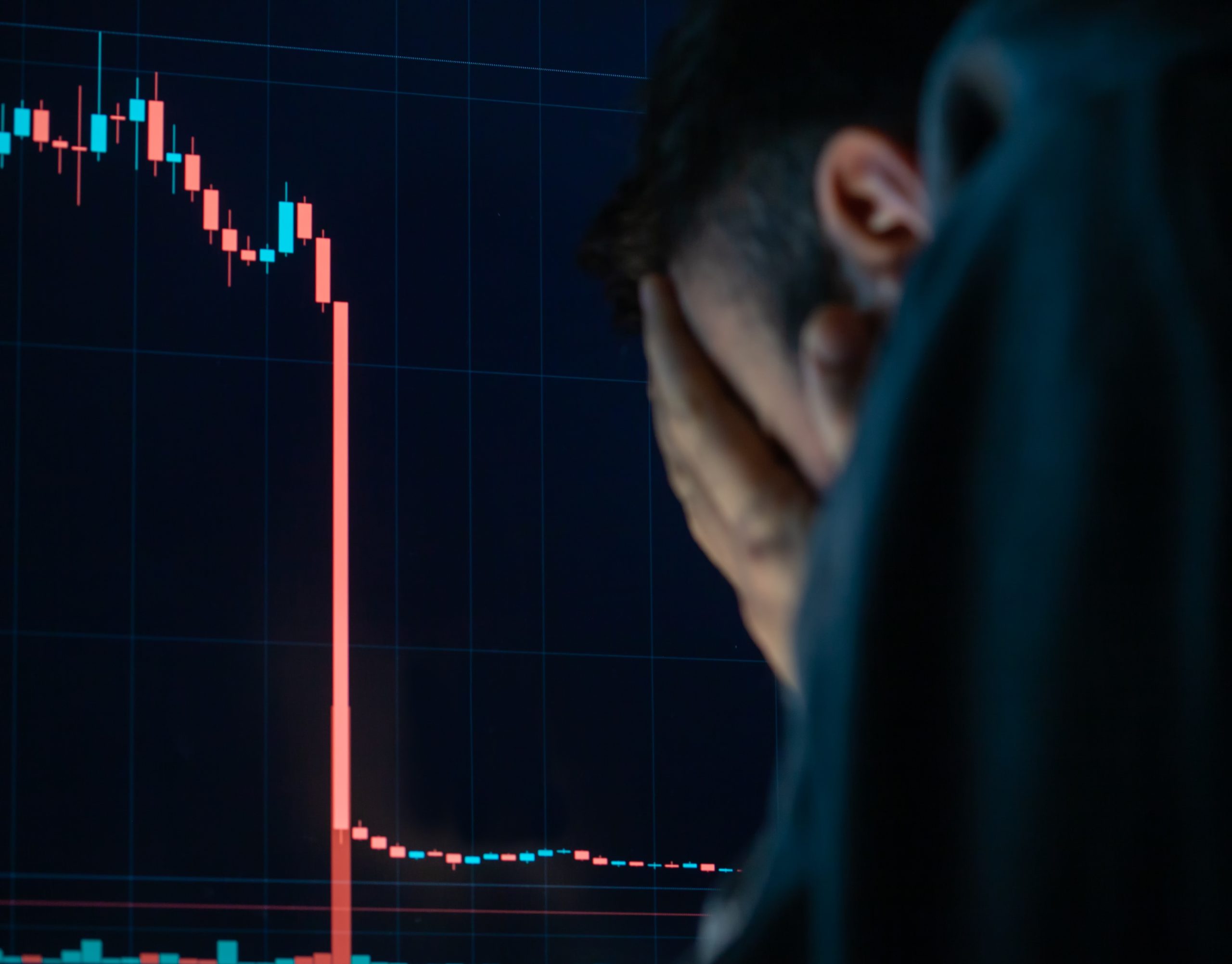
The Fragile Decade: Why Timing Matters
With market volatility driven by trade tensions, inflation concerns, and geopolitical instability, retirees and near-retirees are understandably anxious about their financial futures amid market uncertainty. The impact of market uncertainty on retirement planning cannot be overstated.
Market uncertainty can stem from numerous factors, including economic downturns, changes in government policies, and global events. It’s crucial for retirees to understand these influences and how they may affect their financial plans. For instance, during the COVID-19 pandemic, many experienced sudden changes in their investment values. This illustrates that being prepared for unexpected events is key to financial security.
Being aware of market uncertainty allows retirees to make more informed decisions and better prepare for potential financial challenges.
In times of market uncertainty, maintaining liquidity can provide peace of mind and security.
Adapting your budget during periods of market uncertainty is essential to cope with changing economic conditions.
Awareness of market uncertainty can help you avoid panic selling and stick to your long-term strategy.
Understand how market uncertainty can impact your savings longevity and plan accordingly.
Investing internationally can provide a hedge against domestic market uncertainty and improve overall portfolio resilience.
This strategy helps ensure liquidity while allowing for growth, particularly important in the context of market uncertainty.
Consider developing a detailed financial plan that outlines your expenses and income sources in retirement. This plan should include a budget that accounts for both essential and discretionary spending, allowing you to adapt as circumstances change. Furthermore, regularly revisiting this plan can help you stay on track and make adjustments as needed during volatile markets.
Understanding how to maintain a cash reserve during market uncertainty is crucial for your financial health.
To navigate market turbulence effectively, educate yourself about market cycles and economic indicators. Understanding concepts such as the business cycle, inflation rates, and interest rates can empower you to make informed decisions regarding your investments and savings. For example, recognizing the signs of an impending recession may prompt you to adjust your asset allocations ahead of time.
The five years before and after retirement-dubbed the “fragile decade” – are critical. A downturn during this period can significantly impact the longevity of your savings. Recent surveys indicate that a majority of Americans, especially Gen Xers and millennials, fear outliving their money more than death itself.
A bucket strategy can be especially effective during periods of market uncertainty, ensuring that you have funds available when needed.
Adjusting your investment segments can help mitigate the risks associated with market uncertainty.
Diversification can also involve different geographical regions. Investing in international markets can help reduce the risks associated with domestic economic downturns. Consider including assets from various countries to create a more resilient portfolio capable of withstanding market fluctuations.
Strategies to Navigate Market Turbulence
Furthermore, the bucket strategy allows for customization based on individual financial goals. For instance, if you plan to make significant purchases, such as a home renovation or travel, in the near future, allocating funds specifically for those purposes in your short-term bucket can alleviate financial stress.
1. Diversify Your Portfolio
Diversification remains a cornerstone of risk management. By spreading investments across various asset classes—stocks, bonds, real estate, and more – you can mitigate the impact of a poor-performing sector, especially during times of market uncertainty.
2. Implement a Bucket Strategy
The “time bucket” approach segments your retirement savings based on when you’ll need them:
In addition, continually reassess your investment performance and your needs as you transition through different retirement phases. Consider using financial tools or software to help track your progress and adjust your strategy as necessary.
Having a buffer against market uncertainty will help prevent the need to sell investments at a loss.
Millennials should prioritize emergency funds to safeguard against unexpected expenses during market uncertainty.
- Short-term (0-7 years): Low-risk assets like cash or short-term bonds.
- Mid-term (7-15 years): Moderate-risk investments.
- Long-term (15+ years): Higher-risk assets for growth.
Maintaining a cash reserve can also involve a mix of accessible accounts, such as high-yield savings accounts or money market accounts, which can offer better returns than traditional checking accounts while still providing liquidity.
As you encounter market uncertainty, consider the importance of a well-structured financial plan.
This strategy helps ensure liquidity while allowing for growth.
Staying the course also requires emotional resilience. Consider strategies to manage stress and anxiety regarding market fluctuations, such as mindfulness practices, engaging in physical activity, or consulting with a financial advisor to review your strategies and ensure they align with your long-term objectives.
3. Maintain a Cash Reserve
Financial expert Suze Orman recommends having a “just-in-case” fund covering three to five years of living expenses in non-market-tied assets. This buffer can prevent the need to sell investments during market downturns.
For millennials, in addition to utilizing employer-sponsored retirement accounts, it’s beneficial to start establishing an emergency fund. This fund can serve as a financial cushion that allows for consistent contributions to retirement plans without the worry of unexpected expenses derailing your savings strategy.
Gen Xers can also benefit from networking and seeking mentorship opportunities to explore new income streams. This proactive approach not only enhances financial stability but can also lead to personal growth and skill development.
Boomers should keep an eye on healthcare costs, which can significantly impact retirement savings. Researching long-term care options and considering long-term care insurance can help mitigate these expenses and ensure that your savings last throughout retirement.
4. Stay the Course
As you navigate the road ahead, remember that your retirement is a marathon, not a sprint. Embrace lifelong learning, stay updated on financial trends, and remain adaptable to change. This approach will empower you to face market uncertainties with confidence and resilience.
Finally, engaging with a financial advisor not only provides expertise but also an objective perspective on your financial situation. Regular check-ins can help you stay accountable and make necessary adjustments to stay in line with your retirement goals.
It’s tempting to make drastic changes during market dips, but history shows that staying invested often leads to better outcomes. Missing even a few days of market recovery can significantly impact long-term returns.
Tailoring Your Approach by Generation
- Millennials: Focus on consistent saving, leveraging employer-sponsored retirement plans, and considering Roth IRAs for tax-free growth.
- Gen Xers: Increase savings rates, explore side income opportunities, and reassess investment allocations to balance growth and security.
- Boomers: Evaluate the timing of Social Security benefits, consider annuities for guaranteed income, and adjust portfolios to reduce exposure to high-risk assets.
Strategic Retirement Planning for Uncertain Market Conditions
While market volatility is unsettling, it’s not insurmountable. By implementing strategic planning, maintaining flexibility, and seeking professional advice, you can navigate these turbulent times and work towards a secure retirement.
Remember, it’s not about timing the market—it’s about time in the market. Stay informed, stay calm, and stay the course.