

Essential Strategies for Secure Retirement Income
By Jacobs Financial, Jacobs Financial Services
Retirement income planning is essential for achieving financial security in your later years. Given the complexities and uncertainties tied to retirement, having a solid framework can help individuals navigate financial requirements effectively. This article explores essential strategies for maximizing your retirement cash flow, leveraging various income sources while maintaining a risk-averse approach. Everyone deserves a stress-free retirement, and implementing the right strategies can ease the financial worries often associated with this stage of life. Throughout this guide, we will discuss diversification of income sources, optimizing Social Security benefits, tax-efficient withdrawal strategies, and more to ensure a sustainable financial future.
Diversify Income Sources

Diversifying income sources in retirement is crucial for minimizing risk and enhancing financial stability. Relying on a single source of income can be dangerous, especially since market conditions and personal circumstances can change. By incorporating multiple streams of income, individuals can better withstand fluctuations in any one area. This approach not only reduces reliance on any one income source but also allows for greater flexibility in managing expenses. In fact, many retirees find that diversifying income can amplify their cash flow while simultaneously providing an enhanced sense of financial security and resilience.
Jacobs Financial Services specializes in personalized retirement income planning consultations. Their expert team assists clients in creating a diversified income stream, focusing on optimizing the balance between various income sources to maximize post-retirement cash flow.
Optimize Social Security Benefits
Effectively optimizing Social Security benefits is essential for ensuring a secure financial future. Individuals can enhance their monthly payments by delaying the start of these benefits, which can result in increased monthly income over time. Also, considering spousal benefits can add additional financial support for couples during retirement. The earnings history of individuals also plays a crucial role in calculating benefits, making it essential to keep track of parameters that might affect the payout.
Engaging a financial advisor can provide insights into maximizing Social Security benefits tailored specifically to your financial situation.
Implement Tax-Efficient Withdrawal Strategies

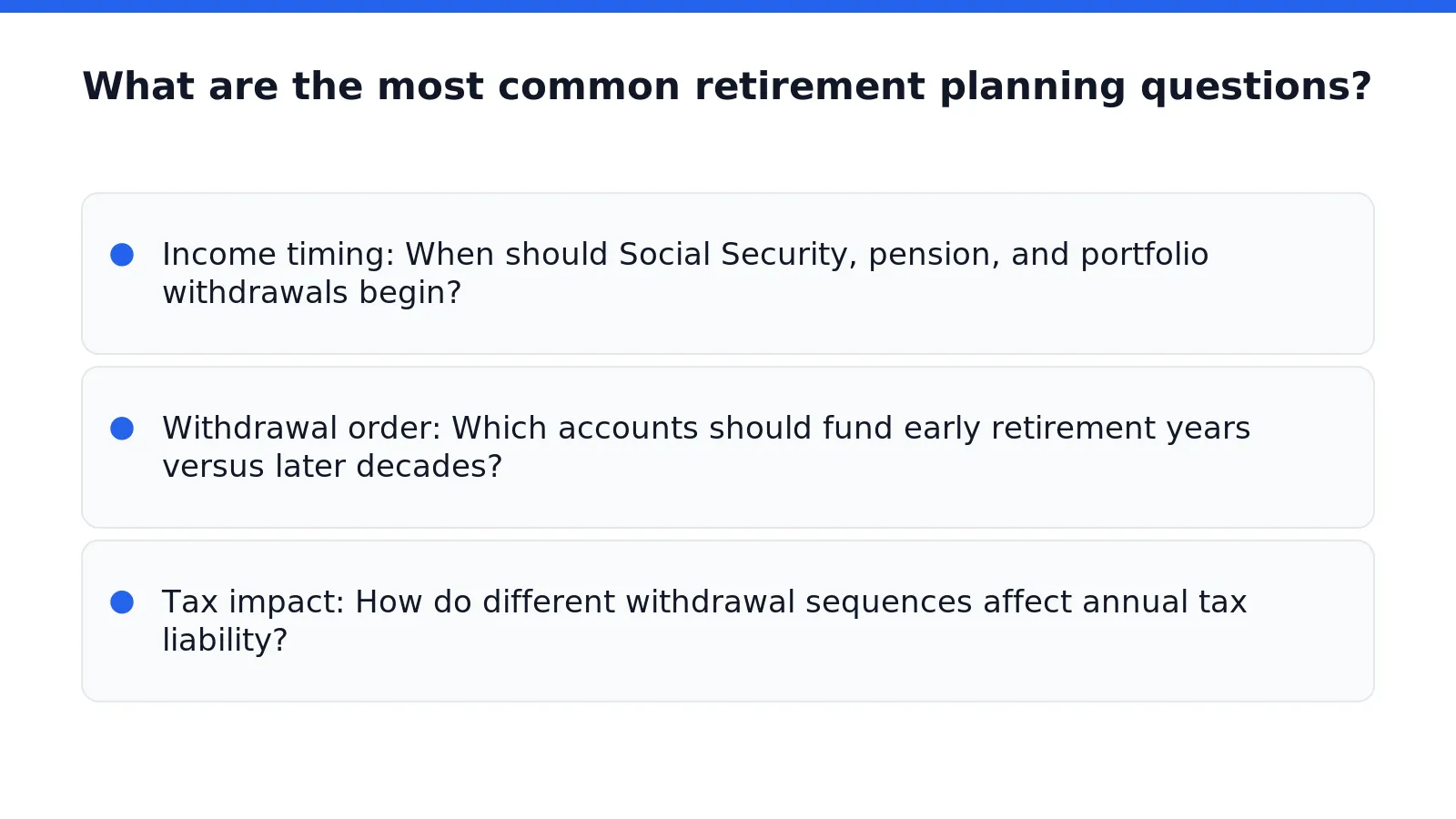
Tax-efficient withdrawal strategies are critical for minimizing tax liabilities during retirement. The order in which withdrawals are made can significantly impact your overall tax burden. Ideally, tax-deferred accounts should be allowed to grow for as long as possible, and exploring options for Roth conversions during years with lower income can enhance tax efficiency.
Jacobs Financial Services emphasizes the importance of financial planning for effective withdrawal strategies. With their expertise, clients can develop a personalized plan that aligns with their financial goals while reducing tax implications.
For those looking to optimize their retirement savings, considering an approach that balances pre-tax and post-tax accounts is essential.
Optimizing Retirement Savings with Tax-Advantaged Accounts
We investigate the optimal savings decisions for investors with access to pre-tax (traditional) and post-tax (Roth) versions of tax-advantaged retirement accounts.
Tax uncertainty and retirement savings diversification, DC Brown, 2017
This table highlights different withdrawal strategies and their implications for tax and cash flow management. Choosing the right approach can significantly affect retirement finances.
Invest Wisely
Investing wisely during retirement is essential for aligning financial growth with your longevity and cash flow needs. Different strategies need to be adopted based on individual risk tolerance, age, and market conditions. Regularly rebalancing investment portfolios ensures that allocations remain appropriate as market conditions change, while focusing on income-generating assets closer to retirement is crucial for providing steady cash flow.
By engaging with Jacobs Financial Services, individuals can receive tailored investment management advice that aligns with their unique retirement objectives, helping them grow their wealth while safeguarding their capital.
Plan for Healthcare Costs
Planning for healthcare costs is a vital element of retirement income strategy due to the increasing expenses associated with medical care in later life. Anticipating these costs and setting aside dedicated funds can alleviate financial pressure and ensure that required healthcare services are accessible without significant sacrifices elsewhere. Various insurance options can help mitigate these expenses, but it’s critical to evaluate coverage options and how they fit into the overall retirement budget.
Maintain a Cash Reserve
Maintaining a cash reserve is an essential component of effective retirement planning. Liquid assets allow retirees to prevent the need to sell investments at a loss, especially during market downturns. A cash reserve not only provides safety but also ensures liquidity to address short-term financial needs without jeopardizing long-term investment goals.
Many financial advisors recommend having a cash reserve equal to several months’ worth of expenses to enhance financial security and peace of mind.
Engage a Financial Advisor
Engaging a financial advisor can be tremendously beneficial when navigating the complexities of retirement planning. With their expertise, individuals can receive tailored strategies that consider specific goals, risk tolerance, and investment opportunities. Financial advisors can simplify complex decisions and help align retirement plans with personal aspirations, ensuring a more secure and fulfilling financial future.
Regularly Review and Adjust Your Plan
Ongoing evaluation of retirement strategies is vital for staying aligned with personal circumstances and external market conditions. Regularly reviewing financial plans allows for necessary adjustments to account for changes in income requirements, investment performance, or unexpected expenses. Through periodic reassessment, retirees can ensure their approach remains effective and responsive to their needs.
Effective Income Planning Techniques
Effective income planning techniques involve various strategies aimed at maximizing retirement income successfully. Notably, a combination of diversifying income streams, budgeting for retirement expenses, and implementing tax-efficient withdrawal strategies can significantly enhance financial security.
Income Stream Diversification
Income stream diversification entails incorporating various income sources such as pensions, Social Security, investments, and rental income. This strategy enhances financial resilience and stability, ensuring that retirees are less dependent on any single source of income.
Budgeting for Retirement Expenses
Creating a thorough retirement budget is crucial to tracking expected costs and ensuring adequate income flow. Using various budgeting tools can streamline this process while facilitating an understanding of essential expense categories that might arise during retirement.
Investment Strategies
Several investment strategies can be engaged to optimize retirement funds. Broadly, investing in diversified options and undertaking regular portfolio rebalancing is recommended for maintaining alignment with retirement goals.
Utilizing Annuities
Annuities play a significant role in retirement planning by providing guaranteed income streams over time. Understanding the pros and cons of various annuity types can help retirees align these products with their financial needs.
Healthcare Cost Planning
Effective healthcare cost planning can protect against unfunded medical expenses that may otherwise disrupt retirement. Anticipating potential costs, understanding health insurance options, and preparing accordingly can ensure that retirees maintain a secure financial footing as they age.
Maximizing Your Retirement Cash Flow
Maximizing retirement cash flow involves employing various techniques that facilitate enhanced income and financial security during retirement. Regularly reviewing income sources and adjusting strategies according to market conditions can further optimize financial outcomes.
Tax-Efficient Strategies
Tax-efficient strategies focus on the manner in which withdrawals are executed and the type of accounts they originate from. Understanding the tax implications associated with each account type can significantly impact an individual’s net cash flow.
Systematic Withdrawal Plans
Implementing systematic withdrawal plans can provide a structured approach to accessing retirement funds. Such plans allow individuals to withdraw predetermined amounts consistently, ensuring adequate cash flow while managing the risk of depleting investment accounts prematurely.